The Common FAQs About Uganda Gorilla Habituation Experiences
Gorilla Habituation FAQs Answered by Gorilla Experts
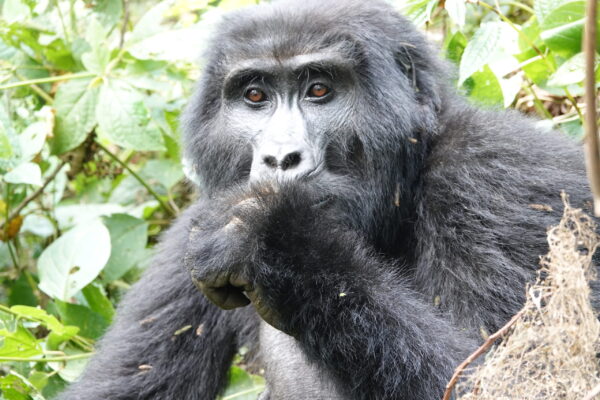
Uganda’s Gorilla Habituation Experience takes place in Bwindi Impenetrable National Park, with the habituation activity associated with the Rushaga sector. Unlike standard gorilla trekking, which allows a maximum of one hour of gorilla viewing, the habituation experience allows visitors up to four hours with the gorillas once they are located. UWA guidelines state that habituation treks begin from 6:30 a.m. and continue until visitors return for debriefing.
A successful gorilla habituation experience starts with securing the appropriate permit, selecting accommodation close to the Rushaga trailhead, and allowing enough time for the trek and wider safari. Because permit prices, regulations, and operational arrangements can change, the latest information should always be confirmed with the Uganda Wildlife Authority before travel. UWA identifies Bwindi as one of Uganda’s principal gorilla destinations and provides official information on park access, activities, and conservation regulations.
Explore common Uganda gorilla habituation FAQs, from permits and trekking times to what to expect in Bwindi, preparation, safety, and gorilla viewing rules.
1. What is the Uganda Gorilla Habituation Experience?
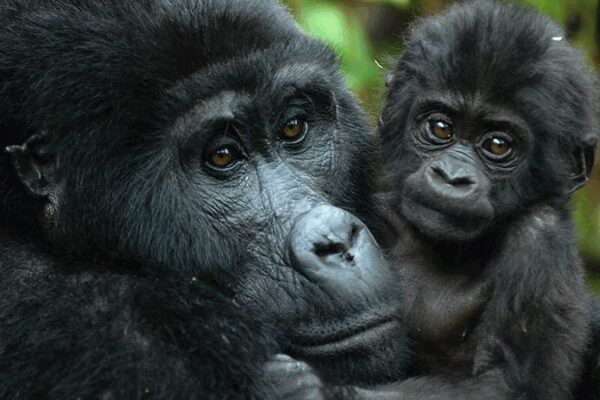
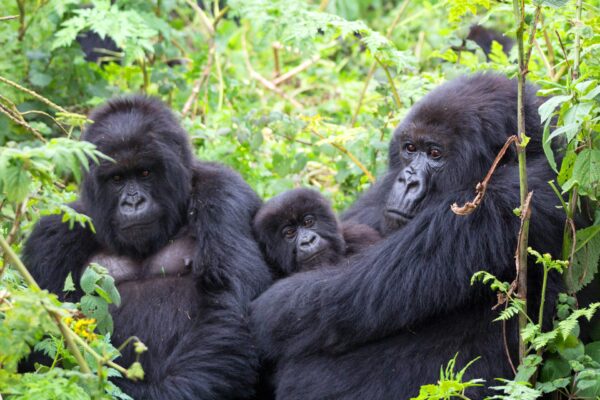
The gorilla habituation experience is a guided activity in Bwindi where visitors spend extended time observing gorillas that are undergoing the habituation process. It provides a more in-depth opportunity to learn about gorilla behaviour, research and conservation than standard gorilla trekking.
2. Where does gorilla habituation take place in Uganda?
Gorilla habituation takes place in Bwindi Impenetrable National Park, particularly in the Rushaga area in southern Bwindi. Bwindi is divided into four main gorilla trekking sectors: Buhoma, Ruhija, Rushaga and Nkuringo.
3. How long can I spend with the gorillas?
The maximum permitted viewing time for the Gorilla Habituation Experience is four hours after the gorillas have been located. The overall trek can take longer because finding the gorilla group depends on its movements in the forest.
4. What time does the habituation trek start?
According to UWA’s gorilla and chimpanzee tracking guidelines, Gorilla Habituation Experience activities begin at 6:30 a.m. Visitors should arrive early enough for registration, preparation and briefing.
5. How is gorilla habituation different from normal gorilla trekking?
The main difference is the amount of time spent observing the gorillas. Standard trekking allows a maximum of one hour of viewing, while habituation allows up to four hours. Habituation also focuses on gorillas that are still becoming accustomed to human presence.
6. How much does a Uganda gorilla habituation permit cost?
UWA’s published tariff lists gorilla habituation at US$1,500 for foreign non-residents, with different rates for foreign residents and East African citizens. Because conservation tariffs may be revised, travellers should confirm the applicable rate for their travel dates before making a booking.
7. What does the habituation permit include?
The permit covers the authorized habituation activity and associated UWA services according to the applicable tariff. Travellers should ask their safari operator to clearly separate the permit cost from accommodation, transportation, meals, visas, flights and other safari expenses.
8. How difficult is the Gorilla Habituation Experience?
The trek takes place in Bwindi’s mountainous rainforest, where trails can be steep, muddy and uneven. UWA notes that gorilla activities require moderate fitness, and the length of the trek can vary considerably depending on the location of the gorilla group.
9. Do I need to be physically fit?
A reasonable level of fitness is important because the trek involves walking through challenging forest terrain. Visitors should prepare for changes in elevation, slippery trails and potentially several hours of walking.
10. What should I wear for gorilla habituation?
Wear comfortable, lightweight hiking clothing suitable for wet forest conditions. Long trousers, a long-sleeved shirt, sturdy hiking footwear and protection from rain are practical choices. Gardening-style gloves can also be useful when moving through vegetation.
11. What should I pack?
Useful items include drinking water, snacks, rain protection, a camera, spare batteries or a power bank, insect repellent and appropriate hiking footwear. Keep your daypack light because you may be walking for several hours.
12. Can I take photographs during gorilla habituation?
Photography is generally possible, but visitors must follow the instructions of UWA guides and follow all gorilla-viewing rules. Avoid actions that disturb the animals or interfere with the work of trackers and researchers.
13. Can children participate in gorilla habituation?
Travellers should confirm the applicable age requirements with UWA or their authorized safari operator before booking, because participation rules can be subject to conservation regulations and operational changes.
14. Is gorilla habituation safe?
Gorilla habituation is conducted under the supervision of trained UWA personnel and guides. Visitors must follow all instructions, maintain the required distance and avoid behaviour that could disturb the gorillas.
15. Can I touch a mountain gorilla?
No. Visitors should never attempt to touch the gorillas. Maintaining an appropriate distance and following the guide’s instructions helps protect both visitors and the gorillas.
16. How close can I get to the gorillas?
The required viewing distance and other interaction rules are determined by conservation guidelines and the behaviour of the gorillas. Visitors should always follow the instructions given by UWA personnel during the encounter.
17. What happens if the gorillas move far into the forest?
The trek may become longer when the gorilla group moves. This is part of the nature of tracking wild animals. The tracking team works to locate the group while following established conservation procedures.
18. Will I definitely see gorillas?
Gorilla tracking is conducted to locate the designated group, but wildlife encounters cannot be guaranteed. The gorillas are wild animals and their movements can change. Experienced trackers work to maximize the opportunity for an encounter.
19. How many people participate in gorilla habituation?
The number of participants is controlled under UWA’s regulations and permit arrangements. Travellers should confirm the current group-size rules when booking because conservation policies can change.
20. Can I book a private gorilla habituation experience?
Private or exclusive arrangements should be discussed with the safari operator and UWA in advance. Availability, applicable fees and operational rules depend on the official permit arrangements.
21. How far in advance should I book?
Booking well in advance is strongly recommended because habituation permits are limited. UWA has also issued specific guidance concerning the purchase of gorilla and chimpanzee permits, making it important to use an authorized and verifiable booking channel.
22. Can I combine gorilla habituation with a Uganda safari?
Yes. Gorilla habituation can be incorporated into a broader Uganda itinerary. Popular combinations include Queen Elizabeth National Park, Kibale National Park, Lake Bunyonyi, Murchison Falls National Park and the Rwenzori Mountains, depending on the traveller’s available time.
23. How do I get to Rushaga?
Rushaga can be accessed by road through southwestern Uganda. UWA notes that travellers heading to the southern Bwindi sectors can approach via Kisoro, and a 4WD vehicle is recommended for the winding roads leading toward Rushaga and Nkuringo.
24. Can I fly to the Rushaga area?
Yes. UWA states that scheduled flights from Entebbe to Kisoro Airstrip serve travellers visiting Bwindi’s southern sectors, including Rushaga. A 4WD transfer is then required to reach the accommodation and park area.
25. Where should I stay before the habituation trek?
There are several accommodation options around Rushaga and the southern Bwindi region, ranging from comfortable mid-range properties to luxury lodges. Staying close to the trailhead is recommended because the habituation activity starts early.
26. Is Rushaga the only gorilla sector in Uganda?
No. Bwindi has four principal gorilla trekking sectors: Buhoma, Ruhija, Rushaga and Nkuringo. However, Rushaga is particularly associated with Uganda’s Gorilla Habituation Experience.
27. What makes Bwindi special?
Bwindi is one of Uganda’s most important mountain-gorilla habitats. UWA reports that the park also supports more than 120 mammal species and over 350 bird species, including Albertine Rift endemics, making it much more than a gorilla destination.
28. Is gorilla habituation good for photographers?
It can be particularly rewarding for wildlife photographers because the longer permitted viewing period provides more time to observe behaviour and changing forest conditions. Photographers must nevertheless follow all UWA instructions and avoid disturbing the gorillas.
29. What happens during the briefing?
Before entering the forest, visitors receive guidance about the trek, gorilla-viewing conduct, safety procedures and conservation rules. The briefing is an important part of ensuring responsible interaction with the gorillas.
30. Why choose a Gorilla Habituation Experience instead of ordinary trekking?
Choose habituation if your priority is more time observing gorillas and gaining a deeper understanding of their behaviour and conservation. With up to four hours of viewing compared with one hour for standard trekking, it offers a substantially longer encounter.